The Sevenfold Burial
From the lore of Ghostblood
Of all Mathklyr's traditions, few are as distinctive as its funerary rite: the Sevenfold Burial.
Mathklyrians who follow the Kerrethain are buried in tombs, after a ceremonial period of mourning and preparation of the body. The length of the mourning period depends on the social class of the deceased; the longest, forty days, is reserved for the Emperor himself. During this time the family is in mourning and must pray to the gods to intercede on behalf of the deceased.
Cities of the dead
When the mourning is over, the deceased is buried in one of Mathklyr's great necropolises. These cities of the dead often take in the dead of outlying villages and small towns that cannot support a necropolis of their own. But even in a Mathklyrian necropolis, social class still matters. Each necropolis is divided into six successive graveyards, one for each caste below the Imperial House, and the deceased is buried in the graveyard of their caste. The seventh, reserved for the Emperors, exists only in the necropolis of the Imperial City, as we will see. The tombs grow in size, complexity and decoration from one graveyard to the next. Slaves are thrown into common graves, and farmers have rough stone mausoleums that often house several families; the higher one climbs the social ladder, the more elaborate the mausoleums become, all the way up to the mighty, richly decorated funerary complexes of the Emperors themselves.
Heavy gates, usually of wrought iron, separate the graveyards. The last section of most necropolises is reserved for the major nobles, and in remote necropolises it may be almost empty.
This arrangement comes from the belief that the tombs of the higher classes are defended by the lower ones: the dead would rise to protect the tombs of their betters in life. Whoever tried to violate an Emperor's tomb would supposedly have to cross the other six graveyards first, facing slaves, farmers, artisans, merchants, minor and major nobles risen from their graves to stop them.
The Hand of Destiny
The necropolis of Mathklyr's Imperial City is different. Its sixth graveyard lies against a sheer cliff, but a narrow gorge cuts through the rock, forming a canyon that opens at the far end of the graveyard of the major noble families. The entrance is sealed by silver gates marked with the Imperial Raven. What lies beyond is known to few: only the Emperor, the high priest of Oinrin and a few chosen attendants, and the Emperor's Warshifters are ever allowed inside. The canyon is called the Hand of Destiny, and it is the final resting place of the Emperors of Mathklyr.
Only full-fledged, Crowned Emperors are buried in the Hand of Destiny; even the Emperor's own family is buried in the sixth graveyard. Nor are the Emperors buried alone. When an Emperor dies, his most loyal guards are buried with him, encased in clay and set as statues watching over his tomb. These are the akun-hem, the eternal guardians of the Emperor's rest, and it is said their spirits guard his sleep as they guarded him in life. Being chosen as one of the akun-hem is a great honor, perhaps the highest a warrior loyal to the Emperor can receive. The families of the akun-hem are often raised to a higher social class by the Emperor's successor, or at least granted great wealth, the traditional way of thanking their paragon for his eternal service.
Beyond the Imperial tombs, carved into the walls of the Hand of Destiny by the priests of Oinrin, and the akun-hem standing eternal guard, little else is known of the place. It is known, however, that the heir to the throne undergoes a mysterious ceremony there, the Crowning, communing with past Emperors for days to seek their guidance and approval before claiming the Raven Throne. In the past, some usurper dynasties chose to forgo the ceremony, perhaps afraid of their predecessors' judgment; all of them held the throne only briefly before upheaval, revolution or justice brought them down. Among the priests, it is said that Oinrin herself must judge the new Emperor, and that refusing the ceremony brings down her wrath. Whether this is true, the Emperor does not say. Scholars suspect, however, that whatever happens during the days of the Crowning may explain the uncommonly long lives of the Emperors.
Whatever the truth, for all the attempts made, no one is known to have entered the Hand of Destiny uninvited and lived to tell the tale.
Read Ghostblood
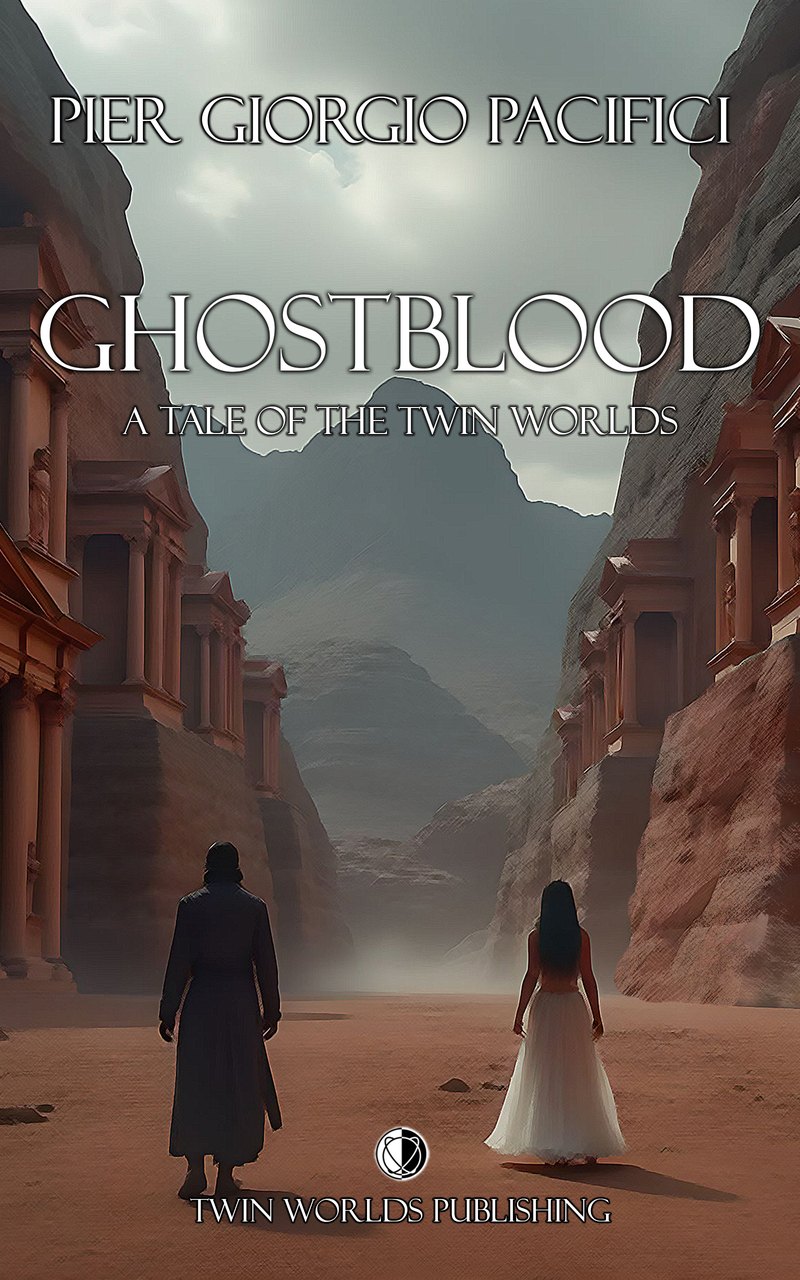
Revised edition
Ghostblood
An empire ten thousand years old, cursed never to die.
In Mathklyr, tradition is law and the goddess of fate decides every life. Alric chooses the soldier’s path and climbs. Elis refuses hers and is exiled for it. Years later she returns with knowledge that could break the empire, and the two meet again in the necropolis where emperors are crowned.
More from the Codex
- Mathklyr
The ten-thousand-year-old empire where Ghostblood is set, and why it is called the mummified empire.
From the lore of Ghostblood
- Lady Oinrin
Goddess of death, fate and sovereignty, and the power behind the Raven Throne.
From the lore of Ghostblood
- Ellemere
The last great forest of Teidar, and the one road its guardian allows through it.
From the lore of Ghostblood
- Nature magic
Magic that can’t be learned, only granted, and the three limits every practitioner knows.
From the lore of Ghostblood