Nature magic
From the lore of Ghostblood
Among the many forms of thaumaturgy that shape the Twin Worlds, nature magic stands apart. It is a force as untamed and ancient as the land itself. Unlike the carefully structured laws of sorcery, nature magic follows no codified system and has no written spells. It is a living power, bound to the world's breath (the Saelvir would say it is the lifeblood of Eraslantyr), practiced almost exclusively by the enigmatic beings known as the children of nature. For mortals, wielding it is both a rare privilege and a tremendous challenge, because it is not learned but bestowed.
Granted, not learned
Nature magic cannot be studied in the usual sense: it must be granted. Mortals who wield it typically gain it through a pact with the spirits, the ancient beings that inhabit the forests, rivers and mountains of the Twin Worlds, such as Ellemere. These pacts often come with an oath: to guard a sacred grove, to protect a river's purity, to serve as the voice of the wild in the affairs of men. Some are born with the gift, though they are exceedingly rare. Whether given or inherited, nature magic can be wielded but never fully tamed.
Where sorcery follows logical constraints and rigid formulas, nature magic is instinctive, unpredictable and deeply personal. It must be guided rather than controlled, or it will consume its wielder. Those without a mentor, whether one of the children of nature or a seasoned practitioner, are often overwhelmed and lost in the primal energies that flow through them.
Dragons are often regarded as the ultimate masters of nature magic, their very existence intertwined with its primordial forces. Some theorize that the Paragons of the Wild are those who come closest to the understanding of nature that dragons are born with, though no one but the dragons truly knows.
Three limits
Formidable as it is, nature magic has boundaries. It thrives in the wild and weakens where civilization has driven the natural world out. Practitioners have long recognized three limitations:
- Location
- Its strength depends directly on the presence of the natural world. In places of great power, ancient forests like Ellemere or deep deserts like Atkurach, it can surpass even the greatest sorceries. In the heart of a city, where stone and iron have driven out nature's spirits, it fades almost entirely.
- Spirit cajoling
- Much of nature magic relies on the cooperation of natural spirits. The children of nature have an innate bond with them, but mortals must often bargain or persuade. A spirit may refuse to help if it judges the practitioner's intentions unworthy, or simply if it does not wish to be disturbed. Sorcery bends reality through force of will; nature magic is a relationship, and it can be fickle.
- Natural order
- Nature magic cannot defy the natural order. It can summon a storm but not conjure a firestorm. It can cause an earthquake but cannot turn rock into glass. Unlike necromancy or divine magic, it cannot bring back the dead. It can heal wounds, even ones that should be fatal, but it cannot restore a soul that has crossed into the Pale.
Nature magic is one of the many magical traditions of the Twin Worlds, and perhaps one of the least understood. There have been times when it almost vanished, and it ebbs and flows with the strength of the natural world. Some say that when Oraurgalar, the Spirit Wyrm the Saelvir call Eraslantyr, goes to sleep, nature magic will vanish with it. For now, the truth is unknown.
Read Ghostblood
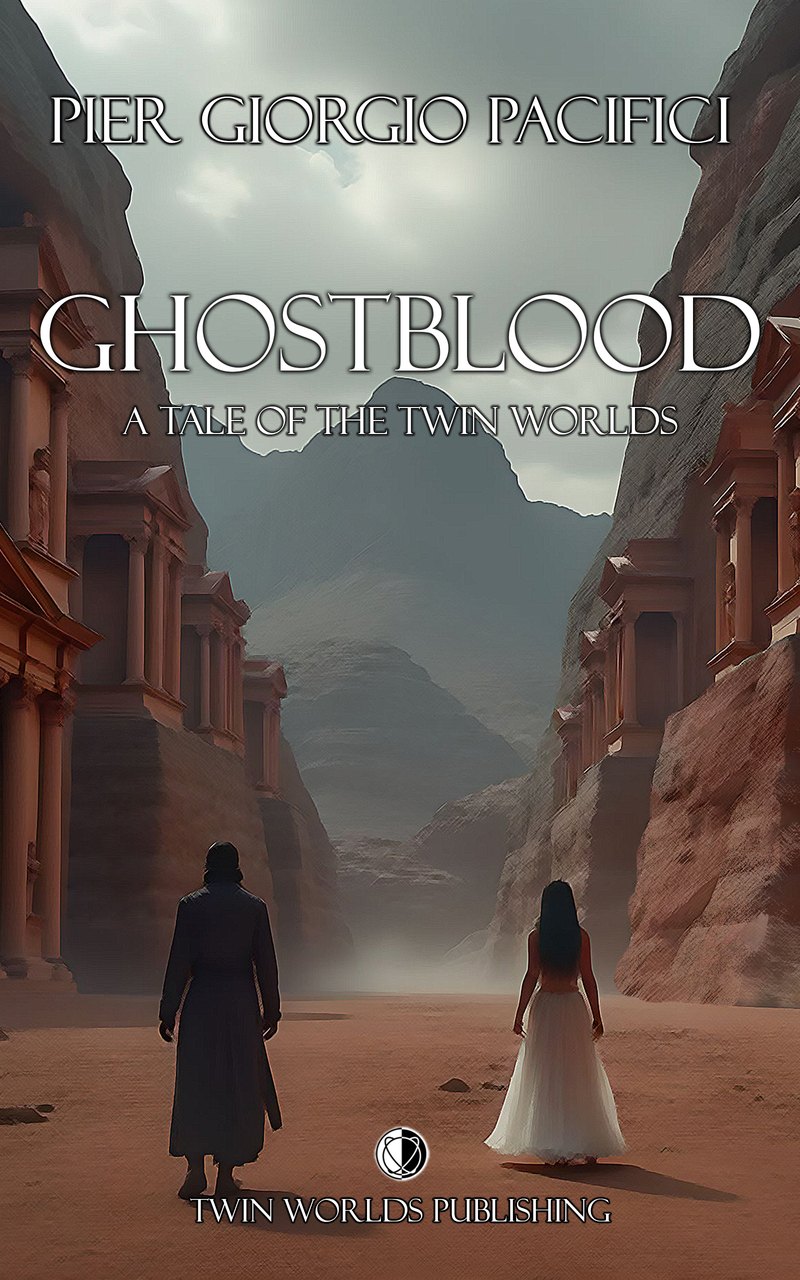
Revised edition
Ghostblood
An empire ten thousand years old, cursed never to die.
In Mathklyr, tradition is law and the goddess of fate decides every life. Alric chooses the soldier’s path and climbs. Elis refuses hers and is exiled for it. Years later she returns with knowledge that could break the empire, and the two meet again in the necropolis where emperors are crowned.
More from the Codex
- Mathklyr
The ten-thousand-year-old empire where Ghostblood is set, and why it is called the mummified empire.
From the lore of Ghostblood
- Lady Oinrin
Goddess of death, fate and sovereignty, and the power behind the Raven Throne.
From the lore of Ghostblood
- Ellemere
The last great forest of Teidar, and the one road its guardian allows through it.
From the lore of Ghostblood
- Cosmology
Wandering Planes, Dimensions and the Void Between: what scholars know of the cosmos, and why so much was lost.
From the lore of the Twin Worlds